Heavy Rendering vs Light Rendering: Choosing Smarter, Not Harder
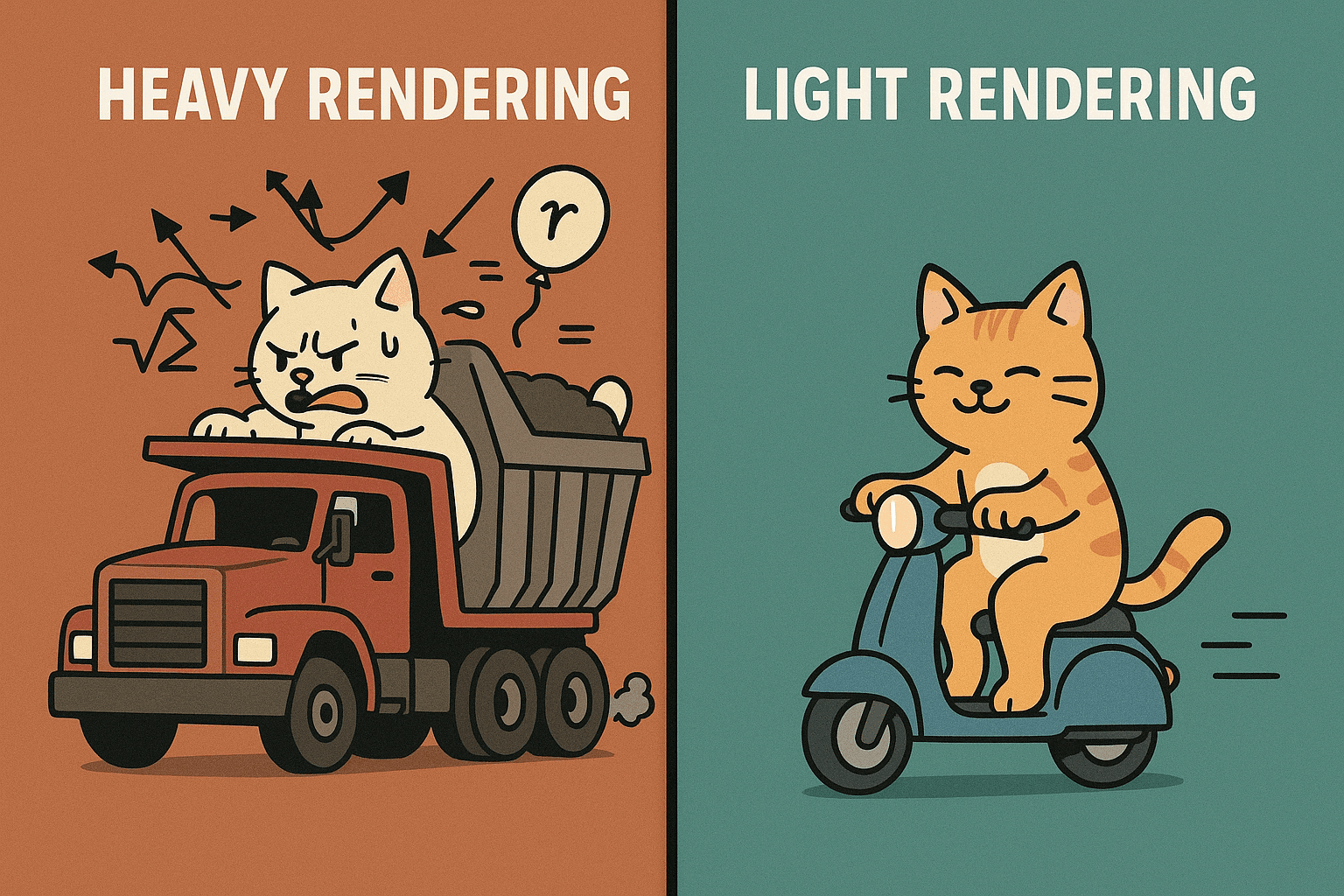
When people ask “Which renderer is best — Maya, Blender, or Unreal?”, it’s a bit like asking “Which programming language is best — Python, C++, or Java?”
👉 The real question isn’t about tools, but about algorithms and the kind of final look you want. By understanding the difference between Heavy Rendering and Light Rendering, you can make smarter choices instead of chasing the “best renderer.”
Heavy Rendering vs Light Rendering
Heavy Rendering
- Simulates light realistically with multiple bounces, reflections, refractions, and global illumination.
- Uses complex sampling (Monte Carlo, path tracing).
- Physically accurate, consistent, film-quality results.
- Examples: Arnold, Cycles Path Tracing, RenderMan RIS.
Light Rendering
- Simplifies calculations — often only direct light or stylized approximations.
- Flat colors, toon shading, NPR (non-photorealistic rendering), or scanline.
- Extremely fast, often near real-time.
- Examples: Maya Software, Blender Eevee, Unreal Engine real-time shaders.
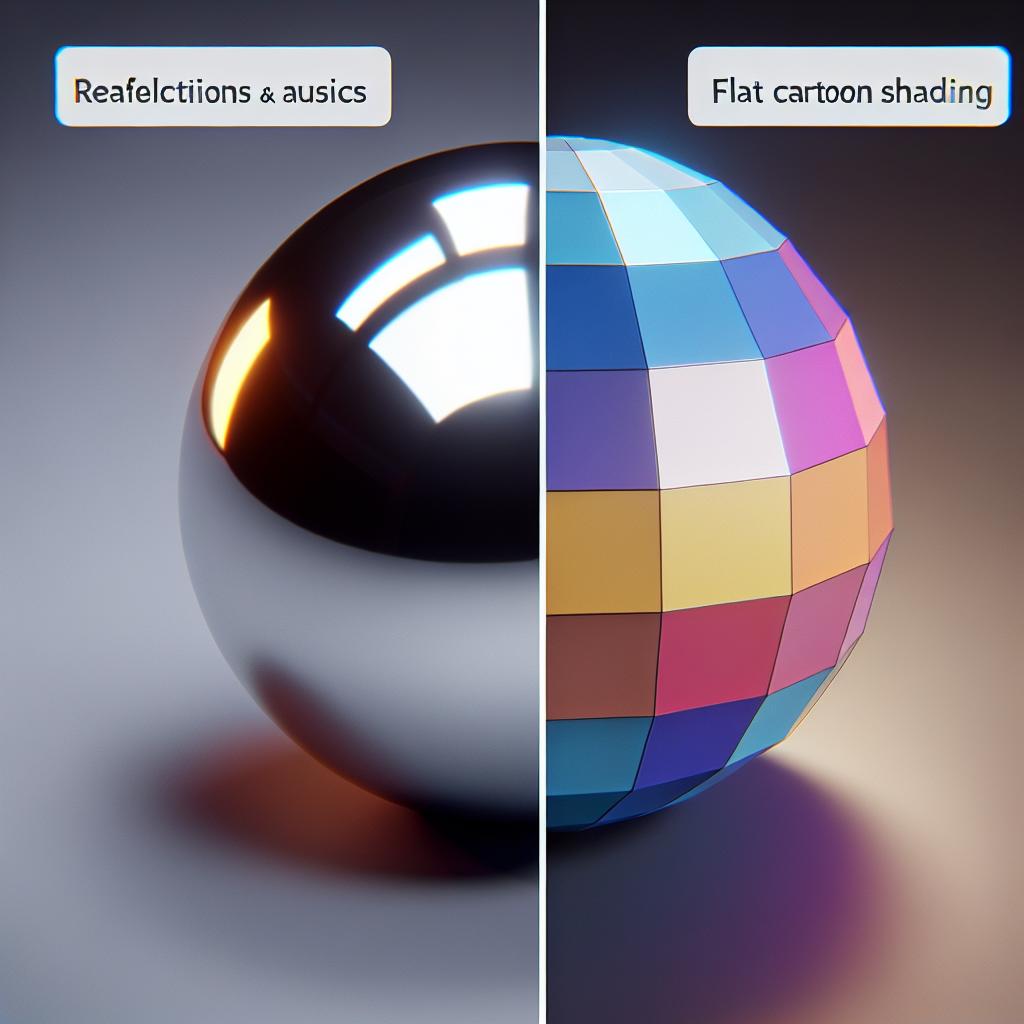
Speed Comes From Algorithms, Not Platforms
It’s easy to assume “Maya is slower than Blender” or “UE is faster than Arnold.” But the truth is:
- Speed differences are rooted in algorithmic choices, not platforms.
- Light rendering will always be faster than heavy rendering, regardless of engine or DCC.
- Maya, Blender, and Unreal all support both heavy and light rendering flows.

Compositing Unlocks Flexibility
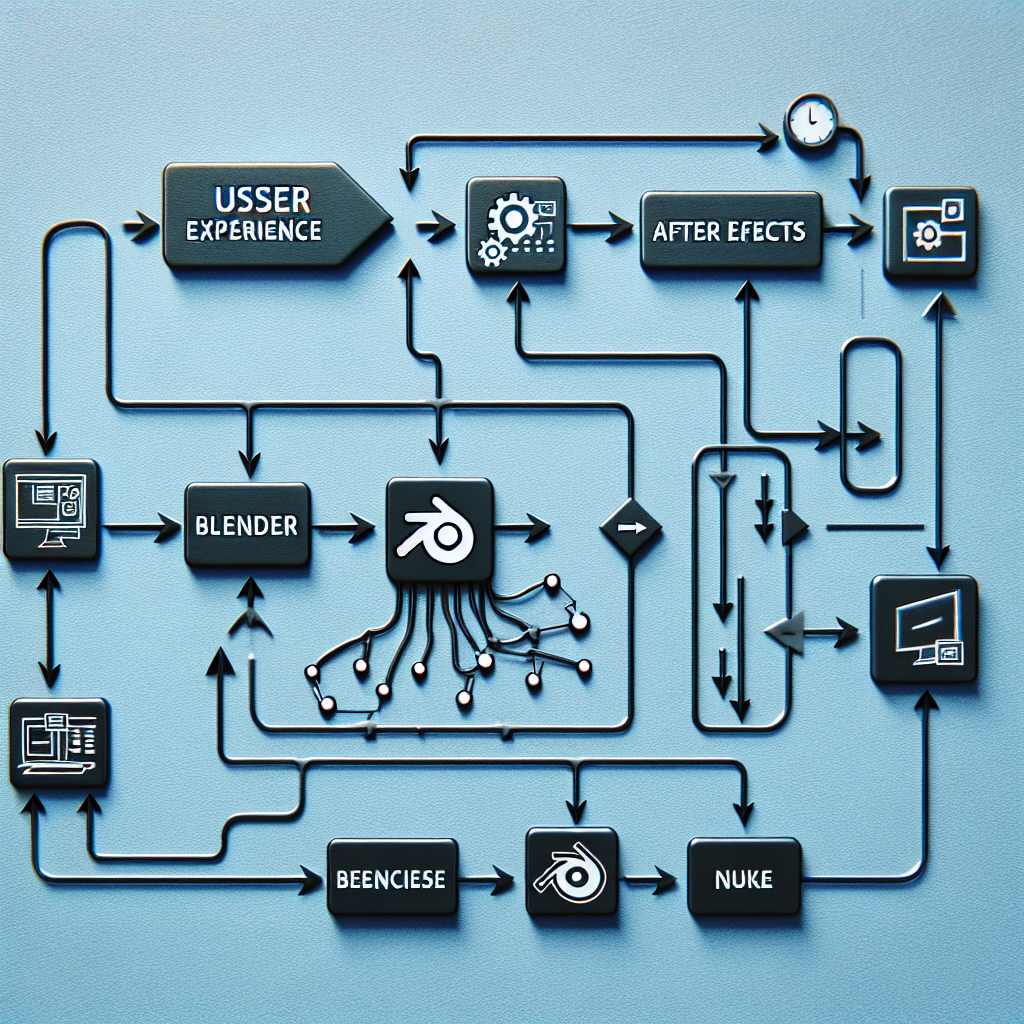
Another misconception is that rendering is a one-tool decision. In practice, workflows combine strengths:
- Render base color in Unreal (fast).
- Render outline pass in Blender.
- Composite both together for the final look.
This avoids forcing the 3D renderer to “do everything,” keeping pipelines efficient.
Key Takeaways
- Don’t frame it as Maya vs Blender vs Unreal.
- First ask: Do we need Heavy Rendering or Light Rendering?
- Then pick the renderer that best fits that choice.
- Use compositing to combine multiple tools instead of chasing a one-size-fits-all renderer.
Closing Thought
By shifting the conversation from which software is best to which algorithmic approach fits the project, you’ll avoid endless debates and instead make smarter rendering decisions.